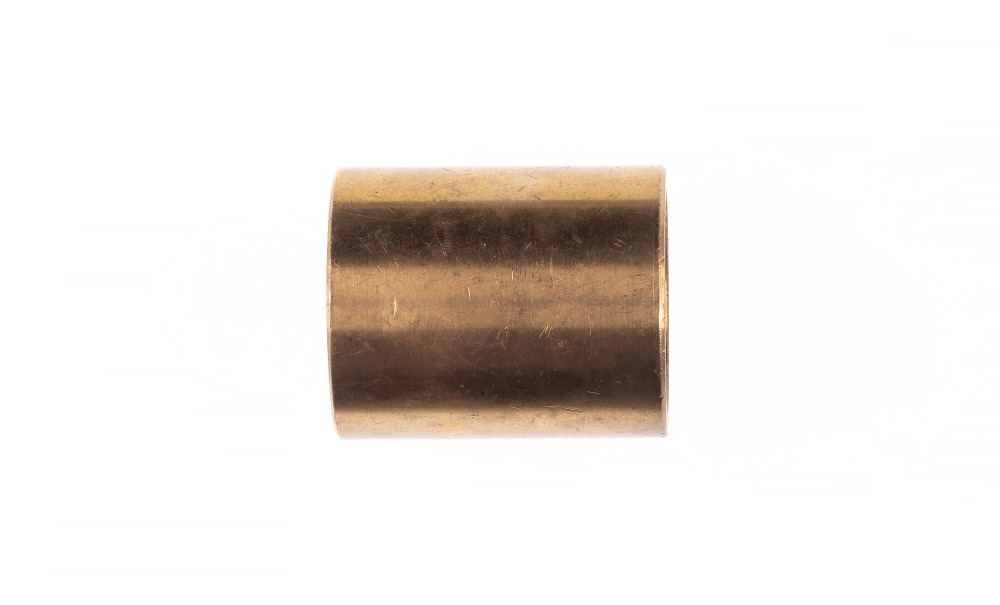
Gun metal bushes are used in machinery to support shafts, reduce direct contact between components and provide a replaceable wearing surface. They may be considered for pumps, industrial equipment, agricultural machinery and general engineering assemblies, depending on the alloy and operating conditions.
Maintenance teams searching for gun metal bush suppliers in Madurai should avoid choosing a bush solely because its dimensions appear to fit. Load, speed, lubrication, shaft condition and clearance determine whether the component can perform reliably.
Understand the Bush’s Function
A bush normally sits between a shaft and housing. Ideally, it protects more expensive parts by providing a controlled bearing surface that can be replaced after wear.
Its performance depends on several interacting factors:
- Shaft material and hardness
- Radial and axial load
- Rotational or oscillating movement
- Operating speed
- Lubrication
- Temperature
- Dust or fluid exposure
- Alignment
- Running clearance
A bush that fails repeatedly may indicate a broader machinery problem rather than poor material alone.
Provide Complete Dimensions
For a plain cylindrical bush, the essential dimensions normally include:
- Outside diameter
- Inside diameter
- Overall length
- Flange diameter and thickness, if applicable
- Lubrication-groove details
- Finished tolerance
- Quantity
- Alloy or specification
Clarify whether the requested dimensions are finished sizes or rough stock dimensions with machining allowance. A drawing is strongly recommended for flanged, stepped or grooved bushes.
Material Grade Matters
“Gun metal” can refer to copper-based alloys with compositions and properties that vary by specification. The correct alloy should be selected according to mechanical requirements, corrosion exposure, lubrication and manufacturing process.
Do not identify an unknown bush only by colour. Bronze, brass and gun metal can appear similar but may behave differently in service. For critical equipment, use the machine documentation, previous purchase records or laboratory material identification.
Inspect the Shaft and Housing
Installing a new bush onto a damaged shaft often leads to rapid wear. Before replacement, inspect for:
- Scoring
- Taper
- Ovality
- Corrosion
- Misalignment
- Excessive runout
- Damaged seals
- Blocked lubrication paths
The housing should also be measured. A loose fit may allow the bush to rotate, while excessive interference can reduce the internal diameter after installation.
Establish the Correct Clearance
Running clearance should account for shaft size, bush material, load, temperature and lubrication. Too little clearance may cause seizure as the assembly heats. Too much clearance can create vibration, noise and inaccurate shaft movement.
Final sizing may need to be completed after the bush is pressed into the housing. Follow the equipment manufacturer’s recommendations or a qualified engineer’s calculations.
Prevent Repeat Failure
When a bush has worn earlier than expected, investigate the cause before ordering an identical replacement.
Common causes include:
- Inadequate lubrication
- Contaminated lubricant
- Poor alignment
- Rough shaft surface
- Excessive load
- Incorrect clearance
- Overheating
- Unsuitable alloy
Correcting the root cause often delivers greater value than repeatedly replacing the same part.
Sourcing in Madurai
Local availability can be valuable when equipment downtime affects production. Maintenance departments in Madurai may need rough bushes for machining, standard dimensions or gun metal stock for custom components.
Sun Steel Traders supplies gun metal bushes and other industrial raw materials in Madurai. Buyers can provide a sample, drawing or full dimensional specification to discuss the appropriate requirement.
A correctly selected bush should match the machine not merely the empty space in the housing. Accurate measurements, verified material and attention to lubrication and alignment help extend service life and reduce unplanned maintenance.
Keywords