A pump installation can need a guard, rain hood, splash barrier, skid panel or enclosure, and each part demands a different sheet form, thickness and fastening method. By the end, you will be able to measure the panel, specify coating and fabrication details, reject unsuitable uses, and compare GI with alternative materials before requesting a quotation.
Key takeaways
- Use flat GI sheet for guards, covers, trays and non-pressure pump panels.
- Do not use flat GI sheet for casings, impellers, pressure vessels or flanged boundaries.
- Choose thickness from unsupported span, vibration, handling impact and fixing method.
- Give suppliers finished dimensions, bends, holes, coating needs and required sheet quantity.
Match the sheet form to the pump component
Use flat GI sheet for pump guards, motor covers, rain hoods, cable trays and non-pressure panels; choose another construction for pressure boundaries such as casings, impellers, pressure vessels and flanged connections.
| Form | Suitable pump component | When it applies |
|---|---|---|
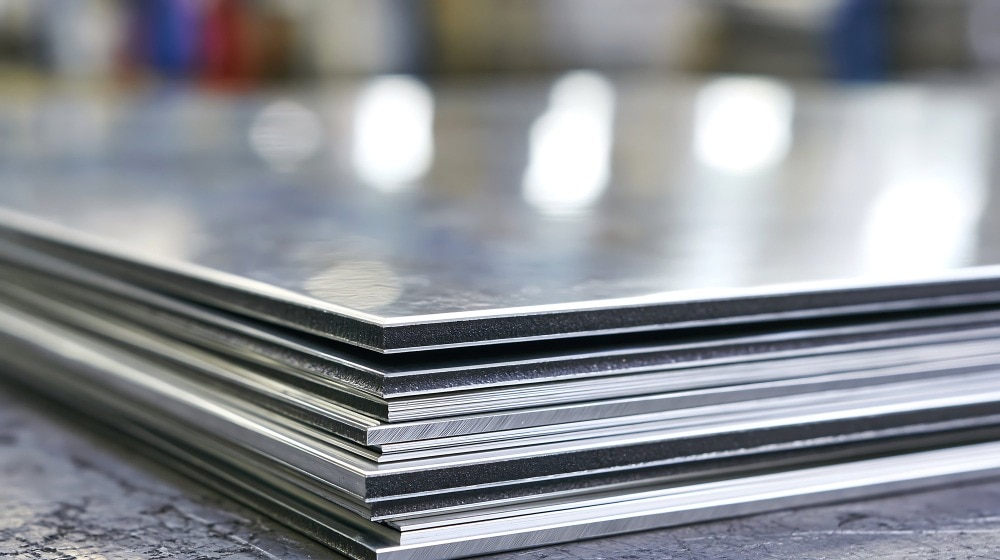
| Flat sheet | Guards, trays, cladding and simple panels | Use it where the frame, folded edges or stiffeners provide rigidity. |
| Corrugated sheet | Outdoor rain hoods and broad enclosure roofs | Use it for drainage and stiffness across a wide span; do not treat roofing profile as an automatic pump guard or skid panel. |
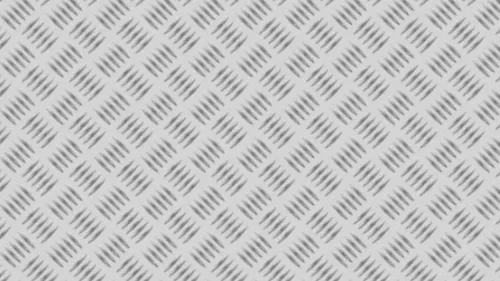
| Perforated sheet | Fan guards, ventilation screens and protective covers | Use it when airflow or visibility matters, while keeping openings small enough to block the intended hazard. |
| Fabricated sheet | Motor covers, splash barriers, skid enclosures and access panels | Use folded returns, beads, brackets, doors and removable sections when the panel needs shape, support or maintenance access. |
For a pump skid, separate the structure from the enclosure: a heavier or stiffened sheet suits the load-bearing base, while lighter GI sheet suits removable guards and covers. A thin unsupported panel can rattle against the motor, oil-can between fasteners or fatigue at drilled holes.
The phrase gi sheet for pump applications in Madurai does not define a pressure-rated material. Specify the component, span, vibration exposure, impact risk and required bends before selecting the sheet form. Avoid GI near wetted flow paths until water chemistry, chlorides, dosing chemicals and temperature are checked.
Choose thickness from span, vibration and impact
Do not use the pump’s pressure rating to choose sheet thickness. Select it from the panel’s unsupported span, vibration, likely impact and the shape you must fabricate.
A short guard fixed on all four sides needs less material than a wide motor cover supported only at its edges. A thin flat panel can oil-can, rattle against the frame and fatigue around bolts.
Folded returns, edge beads and intermediate stiffeners often make a 0.80 mm panel more rigid than a thicker, completely flat sheet.
| Installation condition | Practical starting point | What to verify |
|---|---|---|
| Short, fully supported guard or small rain hood | 0.40–0.60 mm | No hand impact, low vibration and close fastener spacing |
| Medium cover or cable-tray panel | 0.60–1.00 mm | Span, access openings and vibration at the mounting points |
| Long motor cover or exposed splash barrier | 0.80–1.20 mm | Add folds, beads or stiffeners before increasing thickness |
| Panel exposed to knocks or repeated handling | 1.20–2.00 mm | Dent resistance, drilling effort and added weight |
| Heavy fabricated support or base enclosure | 1.60–2.50 mm | Frame support and weld distortion |
Common gi sheet thickness options include 0.40, 0.50, 0.60, 0.80, 1.00, 1.20, 1.60, 2.00 and 2.50 mm. Specify millimetres, not gauge numbers, because gauge systems differ.
Never use sheet thickness to create a pressure boundary. A pump casing, pressure vessel or flanged pressure line requires its own design.
Measure the panel before ordering sheet sizes
Calculate the gi sheet sizes for pumps from the finished panel shape, not the pump footprint alone. Measure the pump, motor, coupling, pipework and base frame in their installed positions, then convert every folded panel into a flat blank.
1. Record the finished length and width of each panel, including the side returns, top folds and end flanges. Mark the bend lines and specify the inside bend radius; a tight bend can crack or thin the zinc coating.
2. Add bend allowance to the straight sections. A useful estimate is bend allowance = bend angle × π/180 × (inside radius + K × sheet thickness), with K confirmed by the fabricator. Give both the finished dimensions and the calculated blank dimensions so the supplier does not cut the wrong size.
3. Measure clearance around the motor at its widest points, including terminal-box access, cooling-air openings and coupling removal space. Leave enough room to lift the motor or remove the guard without dismantling fixed pipework.
4. Draw the maintenance openings before ordering. Include removable covers for bearings, seals, terminals, drain points and fasteners; an access panel that cannot clear a bolt head is wasted sheet.
5. Check the blank against available stock sheet sizes and allow for cutting loss, folded edges and holes. Order each panel by part number, finished size, thickness, bend radius and hole pattern rather than requesting a single oversized sheet.
A fabricator should confirm the bend sequence, weld locations and zinc-rich coating repair after cutting or welding. That prevents a correctly measured panel from leaving exposed steel at its most vulnerable edges.
Check the coating against water, chemicals and heat
Galvanized sheet will withstand a pump environment when it faces neutral, low-chloride water, remains outside the wetted flow path, and operates within a verified temperature range. Do not select GI solely because the pump handles water.
| Condition | Decision | Why |
|---|---|---|
| Neutral water, rain or occasional splash | GI is suitable | Zinc protects the steel when the surface drains and dries. |
| Acidic or strongly alkaline water | Choose another material | Low or high pH can consume zinc quickly. |
| High-chloride water, chemical dosing or stagnant deposits | Use a specified alternative or lining | Chlorides and trapped wet deposits accelerate attack. |
| Pressure boundary or wetted casing component | Do not substitute GI sheet | A sheet guard is not a pressure-rated casing, impeller, vessel or flange. |
For outdoor guards, hoods and enclosures, specify coating mass as well as drainage. Water trapped beneath overlaps, folded returns, rubber pads or washers attacks faster than water on a freely drained face. Avoid closed pockets, or add drain holes.
Cut edges, drilled holes, tight bends and weld zones lose continuous zinc protection. Specify the bend radius, weld sequence, ventilation controls and post-fabrication repair before fabrication. Clean damaged areas and repair them with a suitable zinc-rich system in accordance with ASTM A780/A780M.
- Require coating repair at cut edges, holes, welds and visibly cracked bends.
- Reject panels with standing-water pockets or blocked drains.
- Reassess the material if chemical concentration or operating temperature changes.
Give a Madurai supplier a fabrication-ready specification
Ask for a written quote that separates the steel, zinc coating and fabrication requirements; “18-gauge GI” alone is not fabrication-ready.
1. State the component and service: motor guard, rain hood, cable tray, splash barrier, skid base or non-pressure enclosure. Confirm that the sheet will not form a pump casing, impeller, pressure vessel or flanged pressure boundary.
2. Specify nominal thickness, permitted thickness tolerance, sheet length and width, and whether the part is structural or removable. Use thicker or stiffened sheet for the load-bearing skid; use lighter sheet for covers when the frame supplies stiffness.
3. Name the base-steel grade and formability: commercial-quality, drawing-quality or full-hard. Drawing-quality is the safer request for tight formed panels; full-hard stock can crack at bends.
4. Specify ASTM A653/A653M compliance and the coating designation, such as G90 or the required Z mass class. Ask for the mill test certificate or coating test record because coating designation and base-metal thickness are separate specifications.
5. Give the minimum inside bend radius, hole locations, edge hems, fastener type and finished clearances around the motor and maintenance doors. Ask the fabricator to confirm bend allowance before cutting.
6. Put the weld sequence, ventilation controls for zinc-containing fumes and post-fabrication zinc-rich paint or other coating repair in the quote.
When comparing a GI sheet supplier in Madurai with galvanized sheet dealers in Madurai, Sun Steel Traders can be checked against this same schedule rather than a catalogue description. Reject any quote that omits coating class, thickness tolerance or repair responsibility.
Related product
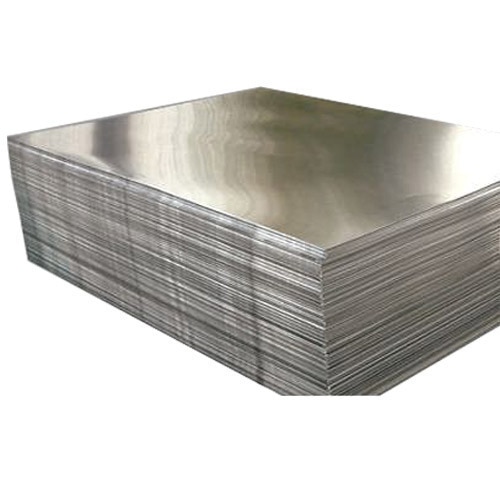 | Galvanized Corrugated Sheets are manufactured using best grade steel and is widely applied in construction industry. View product → |
Frequently asked questions
Which pump components can use flat GI sheet?
Use flat GI sheet for pump guards, motor covers, rain hoods, cable trays and non-pressure panels. Use another construction for casings, impellers, pressure vessels and flanged connections.
How do I choose GI sheet thickness for a pump application?
Assess the panel span, support spacing, pump vibration, expected impact and fixing method. A larger unsupported panel or harsher service needs a stiffer construction.
What should I measure before ordering GI sheet for a pump panel?
Measure the finished length and width, bend allowances, overlaps, hole positions, clearances and the number of panels. Confirm the supplier’s available GI sheet sizes before finalising the layout.
What coating conditions matter for GI sheet around pumps?
Check exposure to water, cleaning chemicals, process chemicals, heat and trapped moisture. Confirm that the galvanized coating suits the environment and protect cut edges and drilled holes.
What should I send a GI sheet supplier in Madurai?
Provide the component type, finished dimensions, thickness, bend details, hole pattern, quantity, coating requirements and whether the panel faces vibration or impact.
Keywords