A “CI rod” can mean a solid cast-iron round bar for machining, or a cast-iron welding electrode for repair; choosing the wrong meaning can produce a part with the wrong strength, machinability or joining method. You will be able to match the material to the equipment, specify the stock clearly, and identify when steel, ductile iron, bronze or engineering plastic is safer.
Key takeaways
- Confirm whether the rod is grey iron, ductile iron or sand-cast bar.
- Match grade to compressive load, vibration, wear and machining needs.
- Specify diameter, length, tolerance, grade, surface condition and test documents.
- Inspect the bar for cracks, seams, rust, wrong size and missing identification.
What does CI rod mean in industrial equipment?
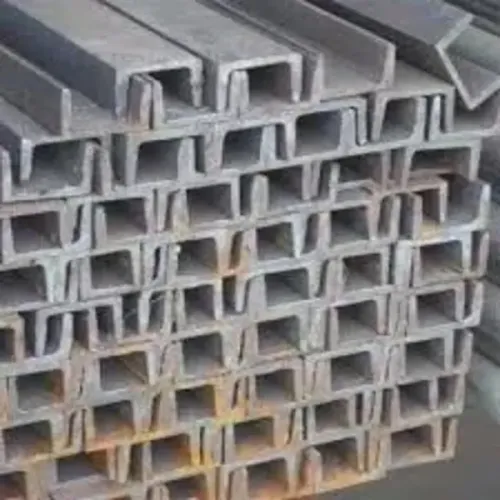
CI rod usually means a solid cast-iron round bar for machining, not a cast-iron welding electrode. A welding electrode joins or repairs metal; solid stock becomes part of industrial equipment. In Indian trade, “CI rod” usually means continuous-cast solid bar, but confirm whether it is grey iron, ductile iron or sand-cast bar.
CI rod applications in Kappalur in Madurai include machined support, sliding and wear components such as:
- Machine bases, bed strips, housings and gearbox bodies
- Pump and compressor parts, guideways and guide rollers
- Sleeves, bushes, spacers and collars
- Pulley or sheave components and replaceable wear blocks
Grey iron is chosen for vibration damping, lubricant retention and stable sliding behaviour. Its graphite flakes interrupt vibration and help hold oil, but they also reduce tensile strength. A sharp notch, keyway corner or sudden impact can start a crack and cause sudden fracture.
A buyer comparing cast iron rod in Madurai should not rely on diameter or price alone. Check the casting process and grade because machinability, strength and defect risk differ between continuous-cast grey iron, ductile iron and sand-cast bar. Ductile iron requires separate specification; it is not simply “stronger CI.”
CI rods for machinery are normally near-net stock, machined to the finished component. They are not a universal substitute for every cast-iron part, steel shaft, lifting member or shock-loaded pin.
Which grade and material fit the load and wear condition?
Choose the material by the dominant failure: grey iron for damping and sliding wear, ductile iron for tensile load and toughness, or steel when impact, bending or welding controls the design. The label CI on ci rods for machinery is not enough.
| Material or grade | Best fit | Main limitation |
|---|---|---|
| EN-GJL-200 | Lightly loaded housings, guideways and wear parts | Lower tensile strength; confirm hardness and machinability |
| EN-GJL-250 | General machine parts needing a strength increase | Grade number alone does not define wear life |
| EN-GJL-300 | Higher-load grey-iron components | Still notch-sensitive and brittle under shock |
| Ductile iron | Shafts, sleeves or pins needing tensile strength and toughness | Specify the ductile grade separately; do not write only CI |
| Malleable iron | Tougher small components and fittings | Confirm grade and section suitability |
| Alloy cast iron | Heat, abrasion or corrosion service | Name the alloy and required property, not merely “alloy CI” |
| Mild steel or EN8 | Impact, tension, bending and welded structures | Less vibration damping than grey iron |
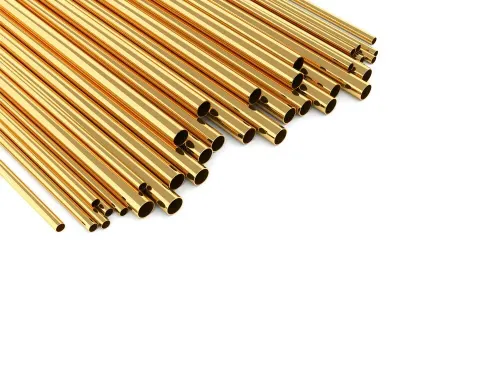
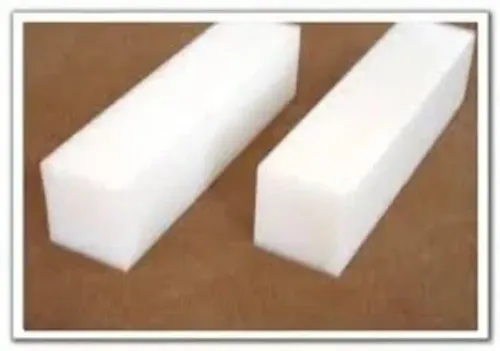
| Bronze, nylon, acetal, polyurethane or Hylem | Low-friction or corrosion-resistant bushes; quiet, lightweight or electrically insulating wear parts | Check temperature, load, swelling and creep |
EN-GJL-200, EN-GJL-250 and EN-GJL-300 are grey-iron strength classes, not hardness grades. The number does not alone establish hardness, wear performance or machinability, so confirm those values for the supplied bar.
Do not select grey iron for impact-loaded shafts, lifting members, highly flexed parts or shock-loaded pins. Corrosive service also needs a design review and often another material; diameter and cast iron round rod sizes cannot resolve that choice.
What should you specify when ordering cast iron round rod sizes?
A checkable order starts with the material definition, not the diameter. Tell a CI rod supplier in Kappalur whether you need continuous-cast grey iron, ductile iron or a sand-cast bar, and state whether the diameter is nominal, as-cast or the finished-machining size.
1. Choose from commonly quoted cast iron round rod sizes: 20, 25, 30, 32, 35, 40, 45, 50, 60, 65, 75, 80, 90, 100, 125 or 150 mm. Availability depends on the grade and current stock, so confirm larger sizes before designing around them.
2. State the supplied length, required cut length and whether custom cuts are acceptable. Do not assume a standard length. Add diameter tolerance, straightness, surface condition, machining allowance, hardness range and heat or batch traceability.
3. Attach the component requirements: finished outside diameter, bore or thread dimensions, component length, expected load, wear pattern, operating temperature, lubrication method and original casting grade. This prevents a cheaper but unsuitable grade from being substituted.
4. Require visual and dimensional inspection for longitudinal seams, cracks, shrinkage indications, surface laps, chill bands and local hard spots. Give extra attention to thin-wall sleeves and close sliding fits, where one defect can break through the machining allowance or seize in service.
Check the supplied bar against the order using a calibrated micrometer, straightedge and, where wear matters, a hardness test. Diameter alone does not establish suitability.
How should you source and verify a CI rod in Kappalur?
A diameter and a low quote do not establish whether a CI rod will produce a reliable machinery part. Give the supplier your drawing, finished size, machining allowance, load, and fit requirement before comparing offers.
1. Tell a ci rod supplier kappalur the exact grade, casting process, available diameter, diameter tolerance, straightness, supplied length, hardness range, and test certificate or heat/batch identification. Sun Steel Traders can use these details to match the stock to the component rather than quote on size alone.
2. Confirm whether the proposed bar is continuous-cast grey iron, ductile iron, malleable iron, or alloy iron. For cast iron rod in madurai, continuous-cast bar usually offers a more consistent structure and machining allowance than bar cut from a large casting, but it is not defect-free.
3. Ask for the nominal, as-cast, or finished-machining diameter. Check the bar for longitudinal seams, cracks, shrinkage indications, surface laps, chill bands, and local hard spots; these defects can ruin a thin-wall sleeve or close sliding fit.
4. At receiving, measure diameter with a calibrated micrometer and check straightness against a straightedge or on V-blocks. Inspect under strong, even light, then verify hardness with a calibrated tester when the part carries wear or sliding load.
For ci rod applications in kappalur in madurai, accept the material only when its grade, structure, dimensions, and traceability match the drawing.
Related product
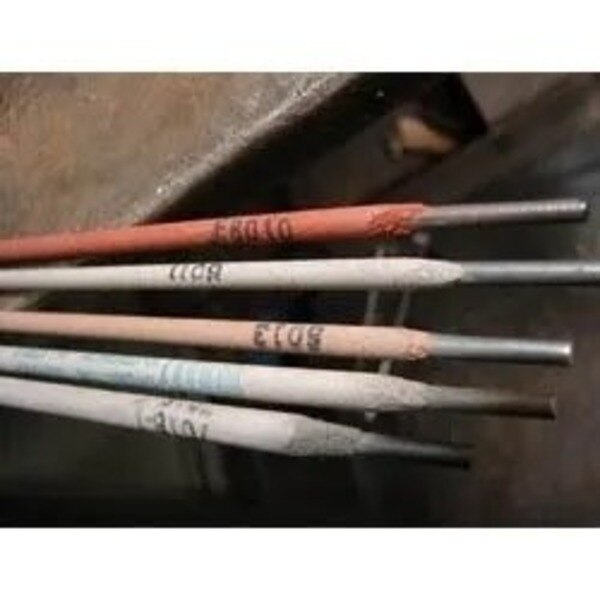
 | We Are One Of The Well Known Suppliers Of A Wonderful Series Of Cast Iron Welding Rod. View product → |
How do you machine, repair and join cast-iron rod safely?
Graphite makes cast-iron chips break readily, but the resulting dust and swarf are abrasive. Machine CI rods for machinery inside an enclosure with effective extraction, protect machine ways, and clean carefully; do not let dust enter slides, bearings or filtration systems. Keep coolant controlled because sludge can carry abrasive particles into the machine.
1. Inspect the bar before cutting. Look for casting skin, chill bands, seams and hard spots; a hard spot can destroy carbide inserts. Reject stock that cannot be drilled, turned or threaded consistently.
2. Use carbide tooling for production turning. Set cutting speed and feed from the tool-maker’s recommendation for the selected carbide grade, and plan roughing passes to remove the outer casting skin before taking finishing cuts. A dry or controlled-air process often keeps abrasive contamination lower.
3. Treat welding as a design decision, not a routine repair. High carbon, graphite and thermal stress make cast iron difficult to weld reliably, creating hard, crack-prone heat-affected zones. If a cast iron rod in Madurai will be welded, brazed or joined to a steel structure, disclose that before purchase.
4. Confirm a compatible electrode procedure, preheat temperature and post-weld treatment with the fabricator. A steel or ductile-iron replacement may be safer than repairing grey iron. Match the machining plan to the original casting grade, its hardness and the final bore, thread, sliding clearance or press fit.
Frequently asked questions
What does CI rod mean in industrial equipment?
CI rod usually means a solid cast-iron round bar used to machine equipment parts. Confirm whether the stock is grey iron, ductile iron or sand-cast bar, because a welding electrode is a different product.
Which cast-iron rod grade fits a machinery load and wear condition?
Choose grey cast iron for good machinability and vibration damping, ductile iron for higher toughness and shock loading, and a harder grade when abrasion resistance matters. Match the grade to the actual load, wear and machining process.
What should you specify when ordering cast iron round rod sizes?
State the nominal diameter, cut length, grade, production method, diameter tolerance, straightness, surface condition and required inspection documents. Include the finished-part drawing when machining allowance matters.
How should you verify a CI rod supplier in Kappalur, Madurai?
Ask for the material grade, heat or batch identification, dimensional records and any chemical or mechanical test certificate. Measure the diameter and length at several points, then inspect the surface for cracks, seams and deep corrosion.
How do you machine, repair and join cast-iron rod safely?
Use carbide tooling, control dust and avoid heavy interrupted cuts during machining. For repairs, identify the iron grade first; cast iron is difficult to weld, so preheating, compatible filler, controlled cooling or cold-repair procedures are essential.
Keywords